
Aluminum Wiring in Victoria Homes
Why It’s Common — and Why Insurance Matters More Than Ever
If you’re buying a home in Victoria or elsewhere on Vancouver Island, the year the house was built can quietly shape your entire buying process. One material that still catches buyers off guard is aluminum electrical wiring — most often found in homes built in the late 1960s through the mid-1970s.
Aluminum wiring itself is not automatically unsafe, and many homes have operated without obvious issues for decades. The challenge is how aluminum behaves over time at connection points — and how insurance companies view the long-term data. That’s where most surprises happen, especially late in the transaction.
For related moisture and risk topics, see our articles on rainy-season gutters and drainage and grading around the house foundation.
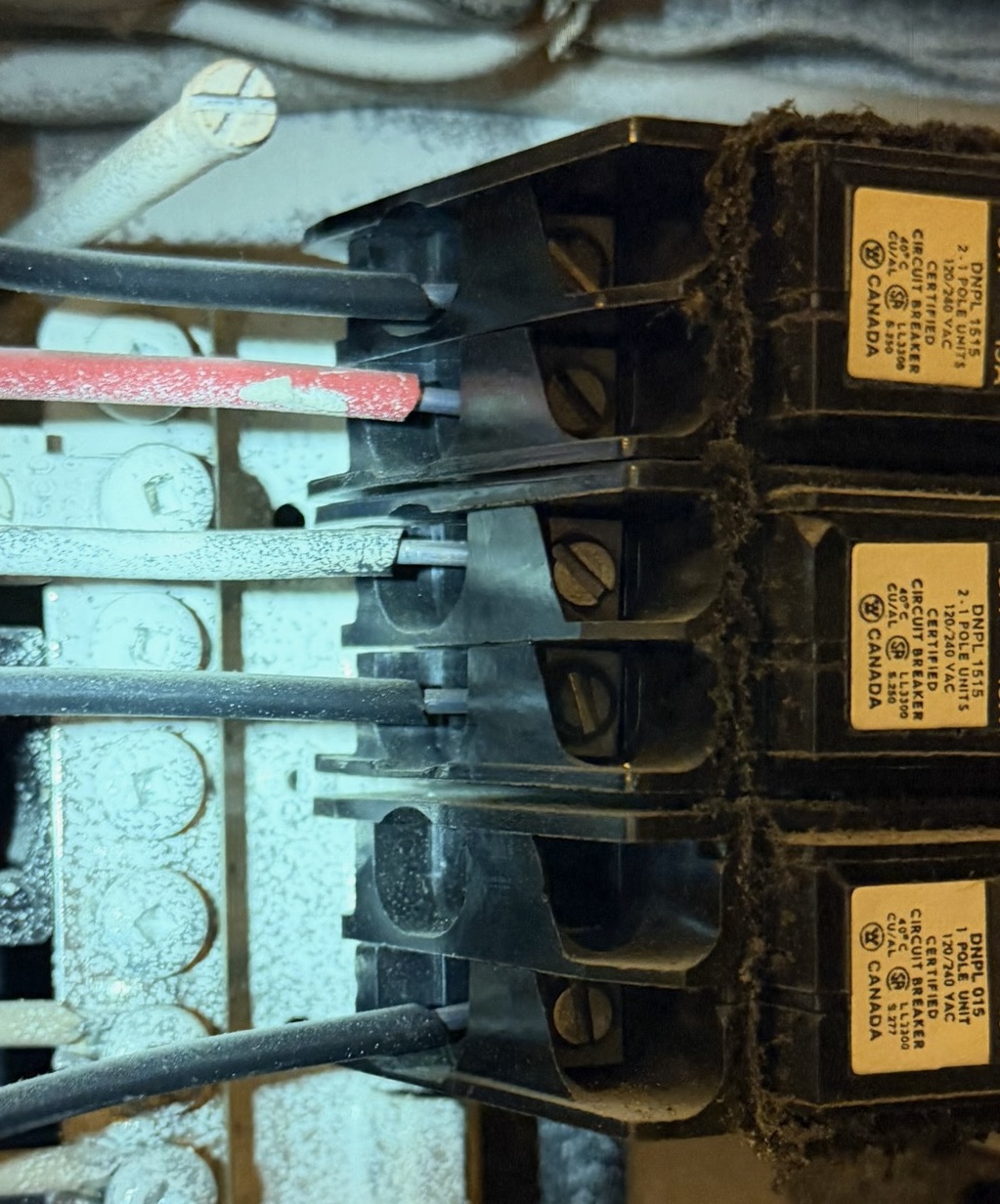
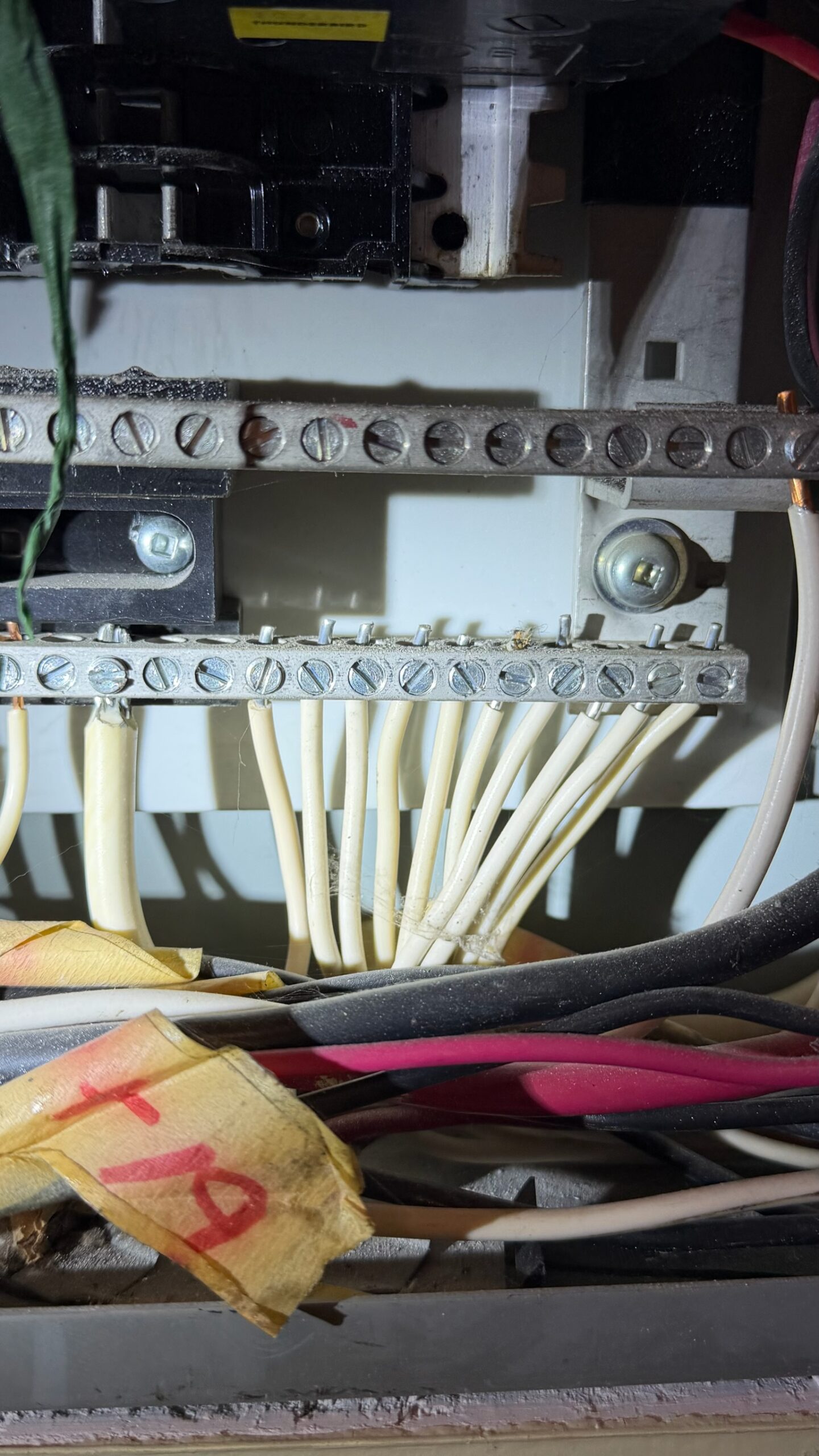
Why Aluminum Wiring Exists in So Many Victoria Homes
During the late 1960s and early 1970s, copper prices increased significantly. Builders turned to aluminum as a cost-effective alternative, and it was widely accepted at the time.
As a result, many homes throughout Victoria, Saanich, Oak Bay, Esquimalt, and surrounding communities were wired with aluminum — and many still have their original electrical systems today.
The wiring itself wasn’t a mistake. The concern lies in how aluminum behaves over time.
Why Aluminum Wiring Is an Insurance Issue
Aluminum expands and contracts more than copper as it heats up and cools down. Over decades, this movement is most noticeable at connection points — outlets, switches, light fixtures, and electrical panels.
As connections loosen, resistance can increase. Increased resistance leads to heat buildup.
Insurance companies don’t evaluate homes individually — they evaluate risk patterns across thousands of properties. As claims data evolves, underwriting requirements tighten.
Because of this, many insurers now:
- Automatically flag aluminum wiring
- Require proof of approved remediation
- Request a separate electrical inspection or certification
- Place conditions on coverage prior to possession
- Decline coverage without documentation
These requirements are becoming more common over time. Insurance is a numbers game, and insurers tend to tighten criteria rather than relax them.
Why This Matters Before You Remove Subjects
One of the most common assumptions buyers make is that once a home inspection is complete, insurance will be straightforward.
With aluminum wiring, insurance approval is often a separate step.
Even when aluminum wiring is clearly identified during an inspection, some insurers will not commit to coverage without additional documentation or remediation.
This can lead to:
- Delays close to completion
- Unexpected electrical work
- Additional inspection or certification costs
- Last-minute negotiations with sellers
Confirming insurability before the next steps in your real estate transaction gives buyers flexibility — instead of pressure.
Remediation Options That Don’t Require Full Rewiring
Full electrical rewiring is not always required. In many cases, accepted remediation methods are sufficient for both safety and insurance purposes.
- Copper pigtailing using approved connectors
- Specialised aluminum-rated connectors designed for thermal movement
- Aluminum-rated outlets and switches
When completed by a qualified electrician and properly documented, these upgrades are often enough to satisfy insurance providers.
Common Questions About Aluminum Wiring
Is aluminum wiring dangerous?
Aluminum wiring is not automatically unsafe. Many homes have operated without issues for decades. The concern is long-term performance at connection points and how insurers assess risk based on claims data.
Will insurance companies refuse coverage?
Some insurers may, while others may require remediation or an electrical certification. Requirements vary by provider and continue to tighten over time, which is why early conversations with your insurer are important.
Do I need to rewire the entire house?
Not usually. In many cases, approved remediation methods such as copper pigtailing or aluminum-rated devices are sufficient. Full rewiring is typically a last-resort solution driven by condition, scope, and budget.
When should I contact my insurance provider?
As early as possible — ideally before subject removal. Confirming insurability early helps prevent last-minute stress, delays, and unexpected costs if remediation or documentation is required.
The Takeaway for Vancouver Island Buyers
Aluminum wiring is part of the construction history of Victoria and Vancouver Island. It doesn’t automatically mean a home is unsafe, and it doesn’t mean a deal should fall apart.
But it does mean insurance needs to be part of the conversation early.
A thorough home inspection can identify aluminum wiring and explain what it means. Confirming coverage with an insurance provider before moving forward can prevent last-minute stress, delays, and surprise costs.
In real estate, the homes that cause the most trouble aren’t always the ones with major defects — they’re the ones that weren’t fully understood soon enough.
Further Reading from Watchtower
- Gutters, Downspouts & Drainage: Your Rainy-Season Checklist for a Dry Home
- Grading 101: The Simple Slope That Protects Your Home
- Mobile Home Inspections on Vancouver Island: What Realtors Should Know Before Listing
- Cast-Iron Plumbing: A Critical Factor in Victoria Homes
- Insights from Last Week’s Home Inspections on Vancouver Island
- 5 Costly Defects I Find in Victoria Heritage Homes Every Month
- Top Home Inspection Red Flags in Victoria, BC