
Buying a house built before the early 1990s in Victoria or on Vancouver Island? Assume that some materials may contain asbestos, then find out what your plans would actually disturb. The possibility alone is rarely the whole buying decision.
Asbestos questions come up frequently when I inspect older homes. A buyer sees vermiculite in an attic or old tape on a heating duct, searches the material on their phone, and wonders whether the house is a deal breaker. Usually, the more useful conversation is about the condition of the material and the work they want to do after possession.
WorkSafeBC says asbestos was widely used in BC building materials until the early 1990s. I treat a pre-1991 construction date as a practical reason to plan for possible asbestos, not proof that a particular material contains it. Renovations can also bring older materials to light beneath newer finishes. Explore WorkSafeBC’s potential sources of asbestos in a home.
Where Might Asbestos Be Found in an Older BC Home?
The materials below are potential sources, not a checklist you can use to diagnose a house. Photos show the material or type of work being discussed. Unless a caption specifically says otherwise, the photographed item has not been identified through testing.
Vermiculite, some other insulation products, and older materials around equipment.
Older duct tape or wrap, pipe insulation, and furnace or boiler materials.
Vinyl tile, sheet flooring and backing, adhesives, drywall compound, plaster, and texture coats.
Some cement siding, stucco, shingles, roofing products, and window putty.
Vermiculite Insulation in the Attic
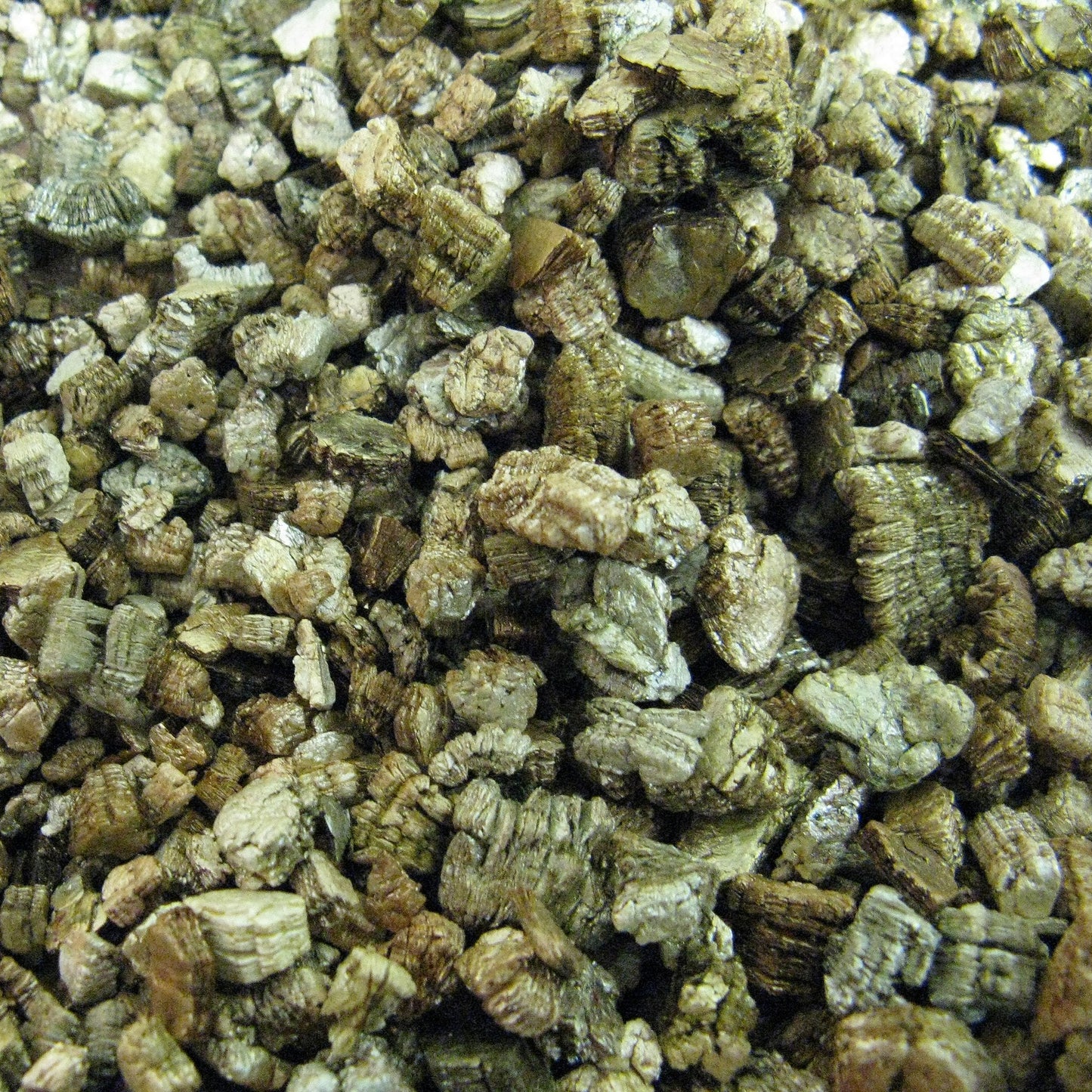
Vermiculite is a loose, pebble-like material, often grey-brown or silver-gold. It may be visible between attic joists from the hatch, sometimes below a newer layer of insulation. Some vermiculite insulation contains asbestos; not all vermiculite does. A photo can suggest what the insulation is, but it cannot establish whether asbestos is present.
This is one of the materials I would discuss early with a buyer because future electrical work, an insulation upgrade, or work through the ceiling can disturb it. Health Canada advises against disturbing vermiculite insulation or using the affected attic for storage. If you see it, observe from the hatch without moving the material. Read Health Canada’s vermiculite guidance.
Older Tape and Wrap on Heating Ducts and Pipes
White or grey cloth-like tape at the joints of old metal ductwork, or older insulation wrapped around pipes and heating equipment, can be a potential asbestos material. It is easy to miss if your attention is on the furnace. Material that is intact and out of the way presents a different decision from material that is fraying, damaged, or about to be disturbed during a heating upgrade.
In one of my sample reports, page 40 shows older tape at a furnace duct connection. That is a real inspection photo and a useful example of where to look. The report describes it as asbestos tape, but its wording alone should not be taken as a laboratory result. If your renovation or HVAC work will affect similar material, ask a qualified asbestos professional to assess it first.

Vinyl Tiles, Sheet Flooring, Backing, and Adhesive
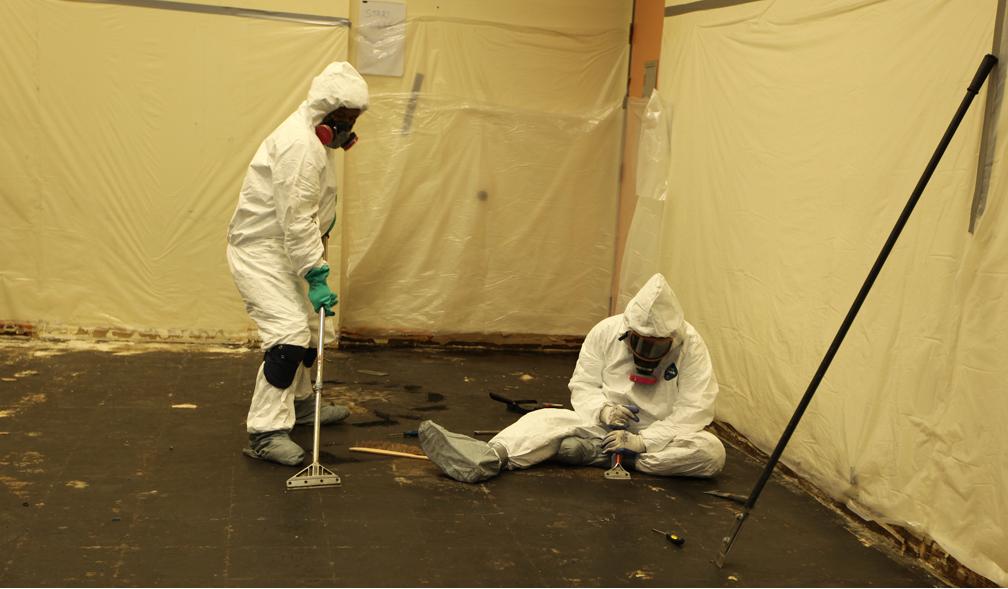
Some older vinyl floor tiles contained asbestos, including some familiar 9-by-9-inch tiles. Sheet flooring may have a backing or adhesive that needs separate attention. The visible surface is only part of the story: new flooring is often installed over an older layer. A buyer planning to replace a kitchen or basement floor should ask what is underneath and whether the planned removal will disturb the tile, backing, or adhesive.
Tile size does not prove asbestos. A larger tile does not prove the floor is clear, either. WorkSafeBC lists vinyl and linoleum flooring among potential sources in older homes. This is a renovation budgeting question even when the current floor is serviceable and you could simply live with it for now.
Drywall, Joint Compound, and Plaster
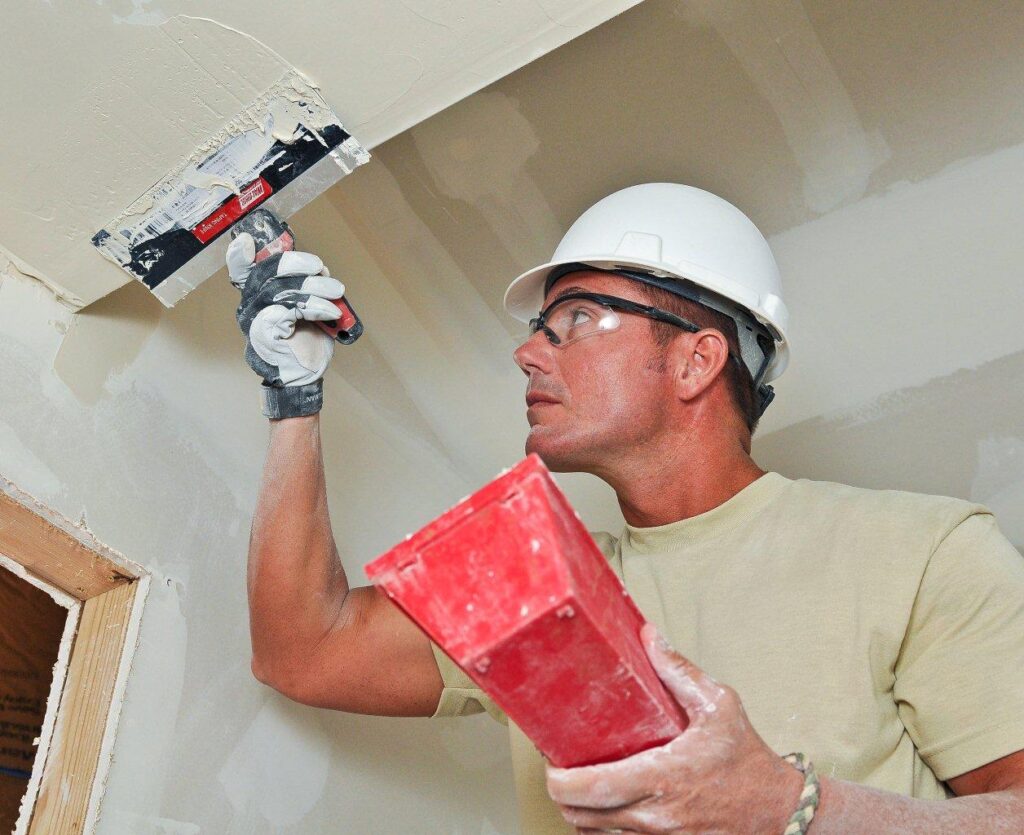
When someone says “asbestos in the drywall,” they may mean the joint compound applied over seams and fasteners rather than every square inch of the board. WorkSafeBC notes that older drywall mud and some gypsum boards can contain asbestos. Plaster and other older wall finishes can also be part of a pre-renovation survey.
A painted wall gives you very little visual information. The practical question is whether you intend to cut openings, remove walls, sand old finishes, or gut a room. That work can turn an ordinary-looking finish into a significant part of the project scope. See WorkSafeBC’s drywall information.
Popcorn Ceilings, Other Texture Coats, and Coved Ceilings
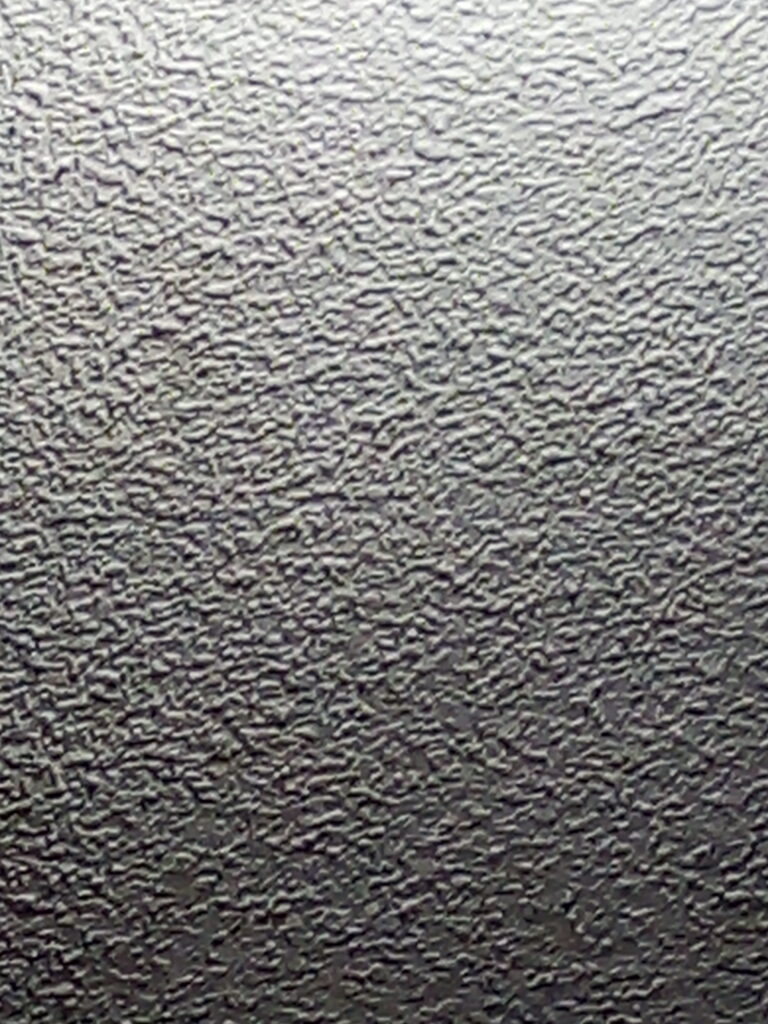
Some older textured ceiling and wall coatings contained asbestos. A buyer might see a popcorn or stipple ceiling and immediately think about scraping it smooth. That is exactly the point at which testing belongs in the plan, before the removal work is priced or started.
A coved ceiling describes the curved transition between wall and ceiling; the shape itself does not tell you whether asbestos is present. Depending on how it was built and finished, the relevant material could be plaster, texture, joint compound, or something else. Have the material you actually plan to disturb assessed.
Cement Siding, Stucco, Roofing, and Window Putty
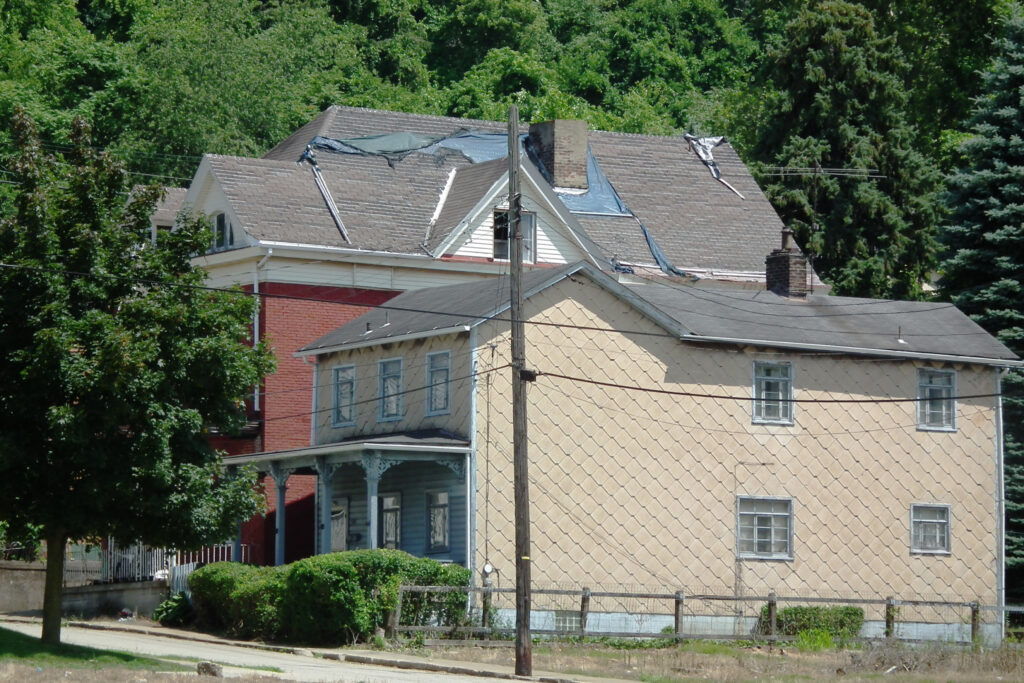
Asbestos also appeared in some exterior products, including cement siding shingles, stucco, roofing materials, and window putty. These are easy to leave out of the initial conversation when a buyer is focused on the kitchen and attic. They matter if the purchase plan includes replacing windows, removing siding, or doing other exterior work.
Even when a product resembles an asbestos-cement shingle, appearance is not confirmation. WorkSafeBC’s interactive house guide is a useful visual reference for the range of places worth considering.
Is Asbestos a Deal Breaker for a Home Buyer?
Not automatically. HealthLink BC explains that asbestos is generally not released when a material is enclosed behind walls, isolated in an attic, or tightly bound in an intact product. The concern changes when materials deteriorate or are disturbed. It is a real health concern, but the mere possibility of asbestos in an older home is not a complete buying decision.
I would pay more attention to what the buyer intends to do than to an abstract ranking of materials. Vermiculite can become a pressing issue if wiring or insulation work is planned in the attic. Joint compound could have a larger effect if the buyer intends to remove most interior walls. Flooring can matter greatly if a full kitchen renovation is scheduled. Those are different projects with different scopes and costs.
A Brief BC History: Why Is It in So Many Homes?
Asbestos was valued for heat resistance and durability and was used in many building products. BC also had an asbestos mine at Cassiar in the north of the province. Provincial mining records describe decades of production there. That is a piece of BC history, not evidence that material in any specific Victoria house came from Cassiar.
Vermiculite has a separate history. Some insulation sold under the Zonolite name came from a deposit near Libby, Montana, that was contaminated with asbestos. That does not mean all vermiculite is asbestos-containing. It is why buyers should avoid assuming that a loose attic insulation is harmless based on appearance alone. Read the Canadian government overview of vermiculite insulation.
What to Do Before Subject Removal if You Plan to Renovate
- Write down the actual work. “Update the kitchen” might mean paint and new cabinet doors, or it might mean removing the floor, ceiling, and walls.
- Ask what the work will disturb. Include material beneath newer finishes and in adjacent areas contractors will need to access.
- Arrange a qualified pre-renovation asbestos survey. Have the affected materials assessed and sampled as appropriate. A general home inspection does not provide this service. WorkSafeBC explains the survey process.
- Use the findings to obtain realistic quotes. If asbestos abatement is needed, verify the contractor in WorkSafeBC’s licensed contractor registry.
If the answer could change your renovation budget or your decision to buy, obtain the information prior to subject removal. A general contractor’s first estimate may not include asbestos-related work when nobody has assessed the materials yet.
What I Can Tell You During a Home Inspection
My inspection is a visual assessment of accessible areas. I can point out an older material, describe its condition, explain how your plans might interact with it, and recommend a qualified professional when testing or a survey is needed. I cannot identify asbestos by sight or guarantee that a renovated surface has no older layers underneath.
You can see how I document older homes in my sample home inspection reports, including a property with vermiculite insulation. For the broader inspection process, read what to expect from a home inspection on Vancouver Island.
Looking at an Older Home in Victoria?
Tell me the home’s age and what you plan to change. During the inspection, we can talk through the visible materials and the follow-up questions worth answering before subject removal.
Frequently Asked Questions
Does every pre-1991 home contain asbestos?
No. The date is a practical reason to anticipate possible asbestos-containing materials, not proof about a particular product. Testing identifies the materials relevant to planned work.
Can I tell whether a 9-by-9-inch floor tile contains asbestos?
No. That size is a useful clue to investigate, but tile, backing, and adhesive must be assessed as appropriate before removal. Other floor sizes and layers can also be relevant.
Does vermiculite have to be removed before I move in?
Its presence alone does not automatically require removal. Leave it undisturbed and get professional guidance before work in the attic or walls that would affect it.
Can a home inspection confirm asbestos?
No. A standard home inspection is visual and does not include sampling or a pre-renovation asbestos survey.
Photo credits: vermiculite close-up supplied for this article; NAVFAC, CC BY 2.0 (flooring work); Georgia National Guard, CC BY 2.0 (joint compound); Doggo19292, CC0 (ceiling); Cbaile19, CC0 (siding). Images are illustrative unless described as documented examples. None should be used to identify asbestos in a listing photo.


